


In 1902, the city of Hanoi, in Vietnam, had a big rat problem, and the plague was coming with them. The French government that ran the city had an idea: pay one cent for every dead rat. To get the money, you only had to bring the tail.
Thousands of tails came in. Then people in the government started to see something strange on the streets: rats with no tails.
People were cutting the tail and letting the rat go, so it could make more rats. Outside the city, some people started raising rats just for the money.
The city was paying for tails. What it really wanted was fewer rats.
This week, I remembered this story after a talk with my friend Henrique Bastos in New York. Hands down, he’s one of the best engineers I know.
Since I’m in New York City for a few days, I took the opportunity to attend AIDevcon, mostly because he would be there. I ran into some problems along the way, arrived late, and only stayed for a few hours. I’ll watch the talks online. Meeting up with him was the main reason I went.
Almost 10 years ago, I was one of thousands of devs in a course/community he taught. Later he became my friend, and he stood with me at the altar at my wedding. He taught me this: you’re not there to close tickets. Your job is to help the company make more money. When you can’t, help it save money. I’ve used it ever since, and it made me a better engineer.
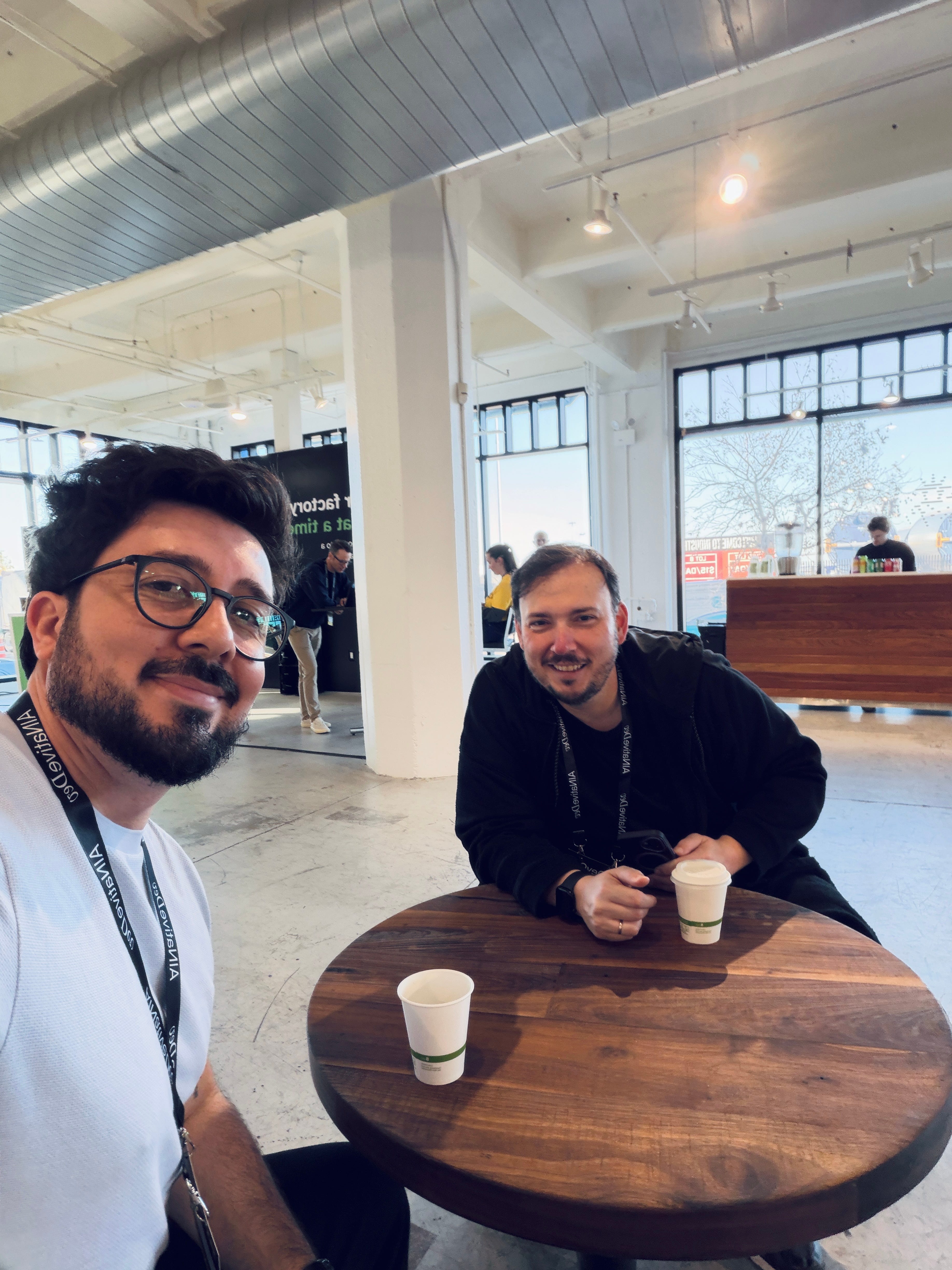
This time he said something I can’t stop thinking about. Devs still don’t know how to measure. Most of us measure what we do, not what it changes. Number of PRs, number of commits.
Those are tails. Easy to count, easy to show, and they don’t tell you if there are fewer rats.
But value is hard to measure. At least PRs are real.
PRs are real and the tails were real too. The problem is not that they’re fake. It’s that they’re the easiest thing to count, so they end up being the only thing we count.
You don’t need a perfect number. You don’t need a dashboard full of dollars. You only need an honest answer to a different question.
Don’t ask how much you shipped. Ask who is better off, and by how much.
I counted six fixes. I should have counted something else.
In my last issue, I wrote that I counted at least six fixes for the same bug: one missing piece of data breaking a whole screen. I was proud of that number.
It’s an old habit. I did it years ago, and it still shows up. Six is a tail. I counted what I did, not what changed.
The rat is what people using the app feel. Now, when one piece of data is missing, they see one empty spot, not a broken page. Real orders don’t show “Couldn’t load this order” anymore.
Before: “We shipped six fixes.” After: “One missing piece can’t break a screen anymore.”
What I still can’t tell you is how many people this helped, or how much money it was worth. For now, I’m better at counting than at measuring. That’s what I’m working on.
I call it the rat-tail test. Before I count something, I ask: is this the tail or the rat?
So counting PRs is useless.
No. It shows the work is moving. It just can’t be the only score.
Some work will never show up as money, like tests and cleaning up old code. The value is real, it just comes later. Don’t stop doing it because it doesn’t fit in a spreadsheet.
And when people get paid for a number, someone will find a way to fake it. That’s the whole story of Hanoi.
In the end, Hanoi stopped paying for tails. The city had a lot of tails and was still full of rats.
Count the rats, not the tails.
What AI did, what I did
Claude confirmed the Hanoi story and helped me with the structure. The talk with Henrique was mine, of course. Remembering that I counted tails years ago, and still catch myself doing it sometimes, was mine too. That one hurt a little.
From my week
Third time in New York, and it still surprises me. Everything here is bigger than I remember.

Keep committing,
Eder